Concerts, Conventions, and the Business of Flexible Stadium Design
How Sports Venues Are Pivoting to Host Non-Sporting Events
Sports arenas have always been designed with athletes and fans in mind, but the modern business model for stadiums goes far beyond the game. Increasingly, venues are reimagining their spaces to host concerts, conventions, esports tournaments, and large-scale entertainment events.
For event managers, this shift is not just about filling dates—it’s about creating sustainable revenue models and ensuring that sports venues function as year-round economic and cultural hubs.
Why Flexible Stadium Design Matters
The economics of stadium operations are changing. Relying solely on sports schedules can leave venues dark for long stretches of the year. By investing in flexible stadium design, arenas can:
- Maximize revenue by booking concerts, conventions, and entertainment events year-round
- Appeal to wider audiences, from music fans to corporate groups
- Strengthen relationships with municipalities and local economies by driving consistent tourism and hospitality revenue
For sports arena event managers, the pivot toward flexibility requires a strategic mindset: balancing the needs of athletes with the technical demands of artists, exhibitors, and production crews.
Key Elements of Flexible Stadium Design
Retractable Seating and Staging
Seating no longer has to be permanent. Modular, retractable, or removable seating allows venues to quickly transform from a football layout to a center-stage concert. Event managers benefit from faster turnarounds and the ability to tailor configurations to maximize capacity and sightlines for each type of event.
Acoustics and AV Infrastructure
Concerts, esports, and conventions demand much more from sound and visual systems than traditional sports. Arenas that invest in acoustics, rigging, and state-of-the-art LED displays position themselves as competitive choices for top touring acts and major corporate events.
Multi-Use Concourse and Hospitality Areas
Hospitality spaces are becoming multi-functional. Suites, lounges, and concourses double as corporate meeting rooms, convention breakout areas, or VIP lounges. Event managers can market these spaces as premium add-ons, increasing revenue beyond ticket sales.
Accessibility and Crowd Flow
Flexible venues must prioritize ADA compliance, signage, and scalable crowd flow solutions. Large conventions may require slower, more distributed entry systems, while concerts often need faster mass ingress. Designing spaces that can adjust to different crowd profiles keeps events running smoothly.
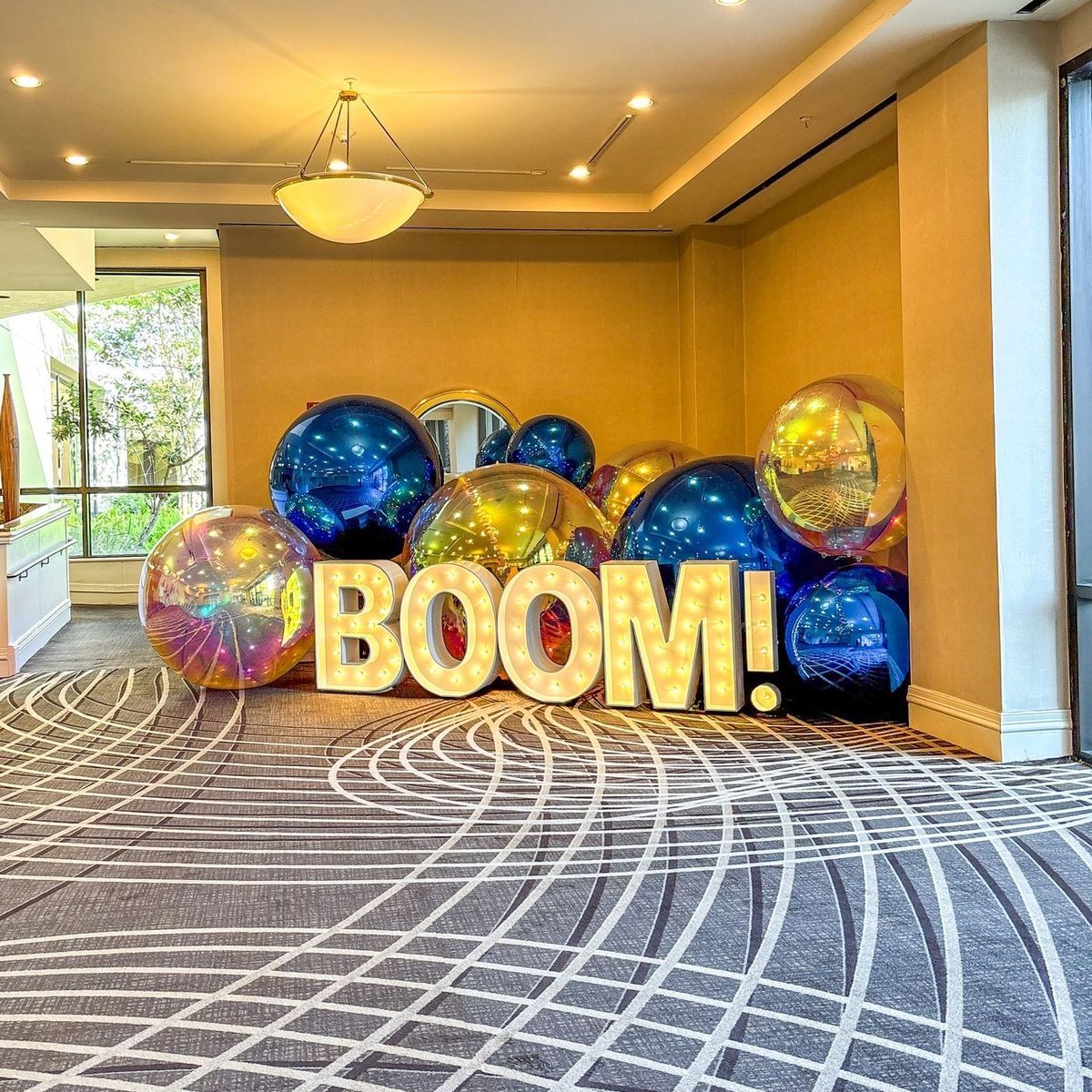
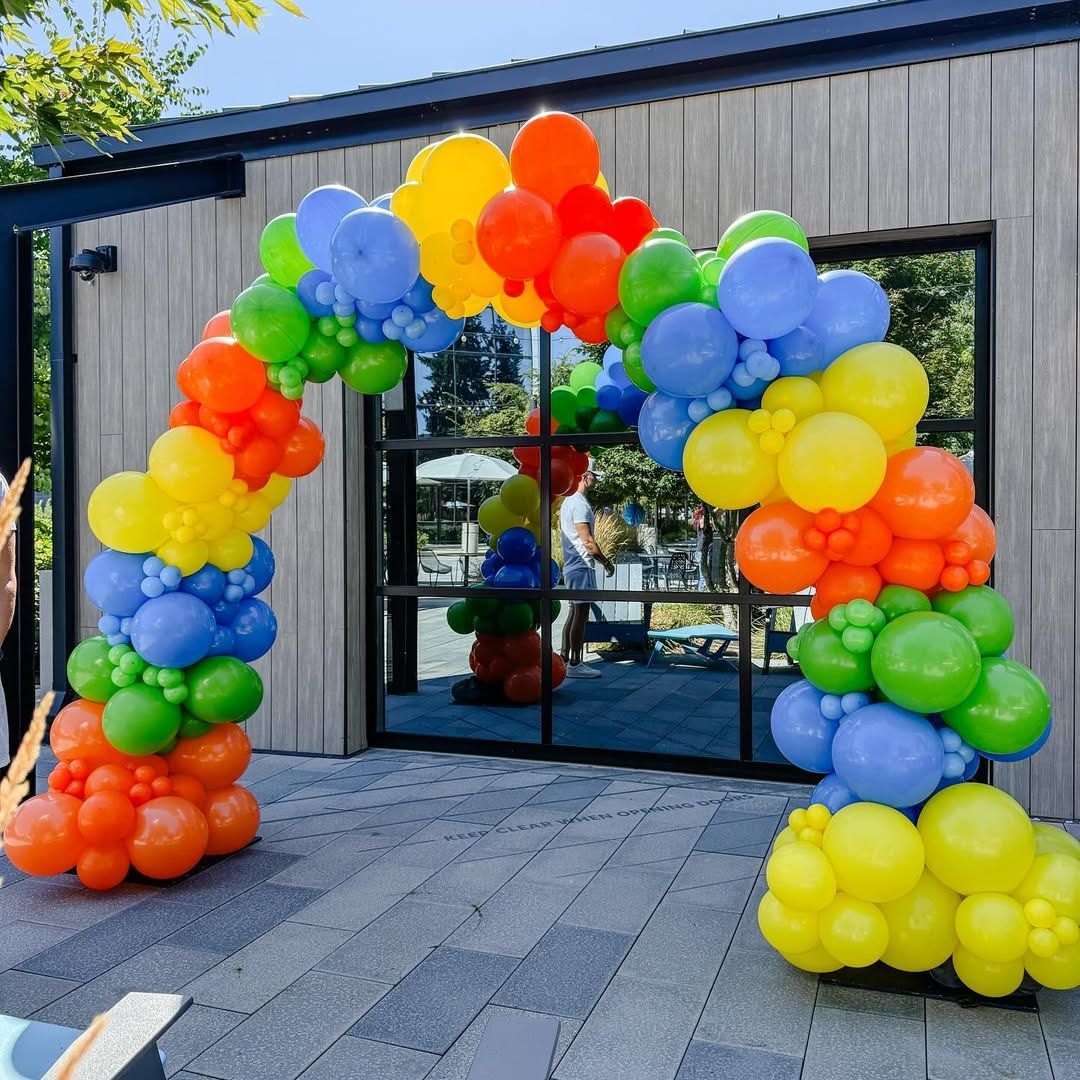
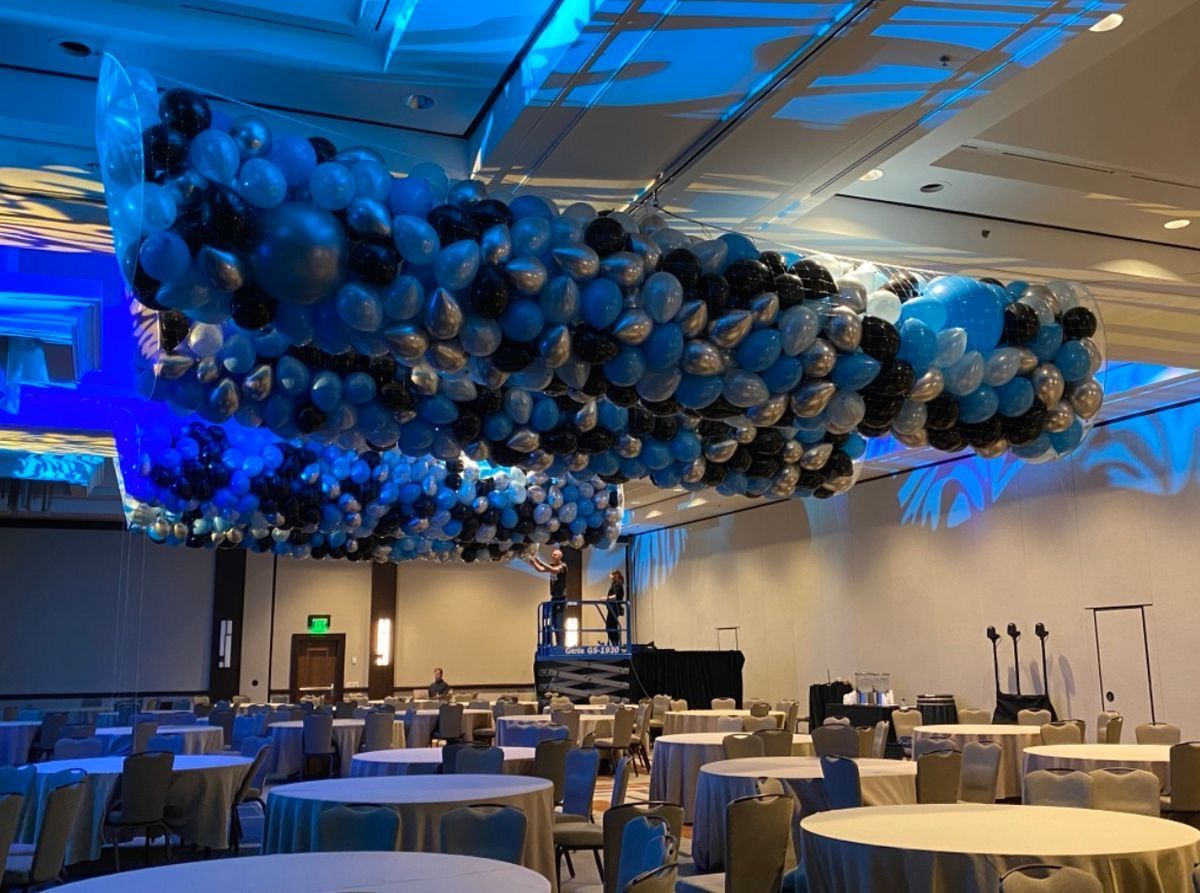
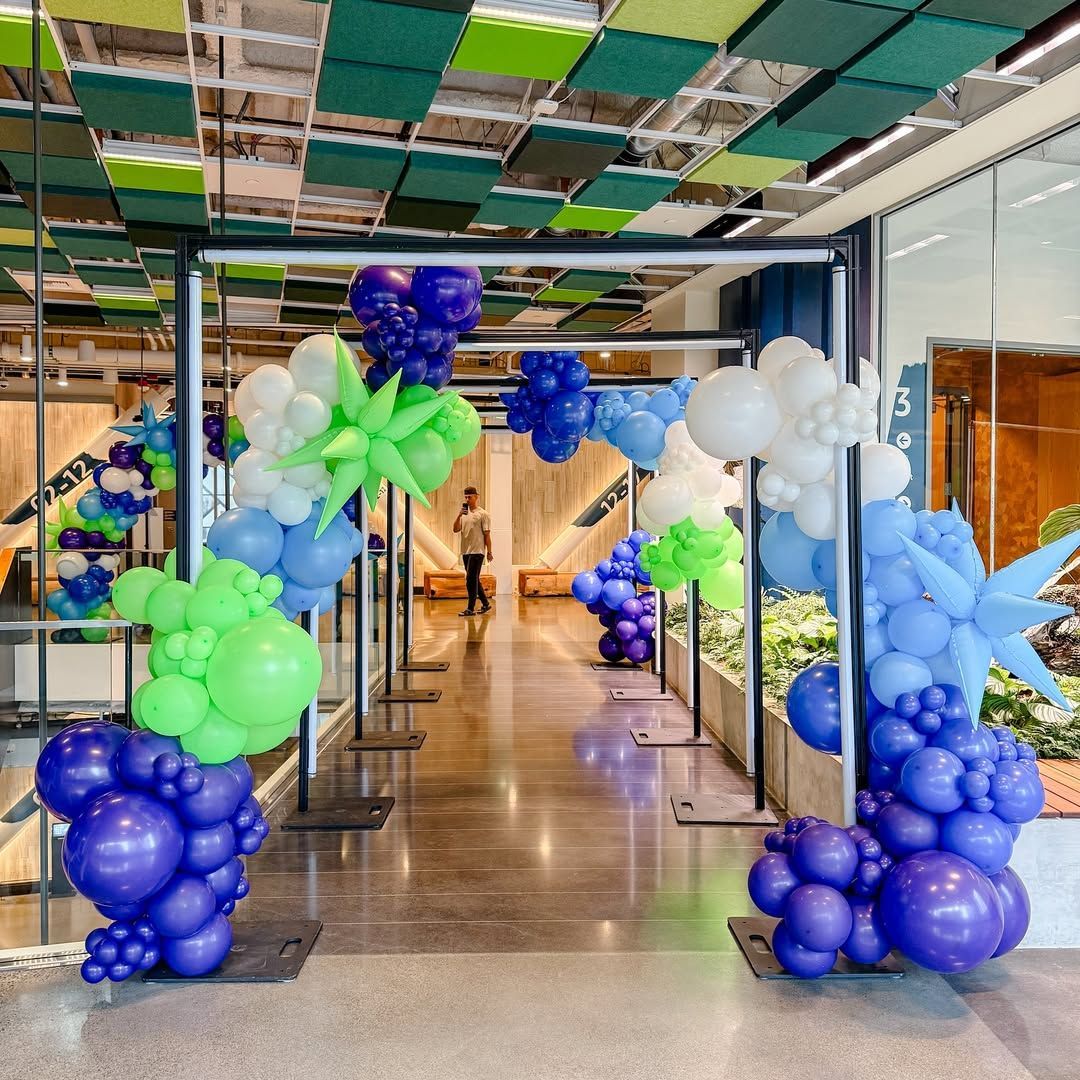
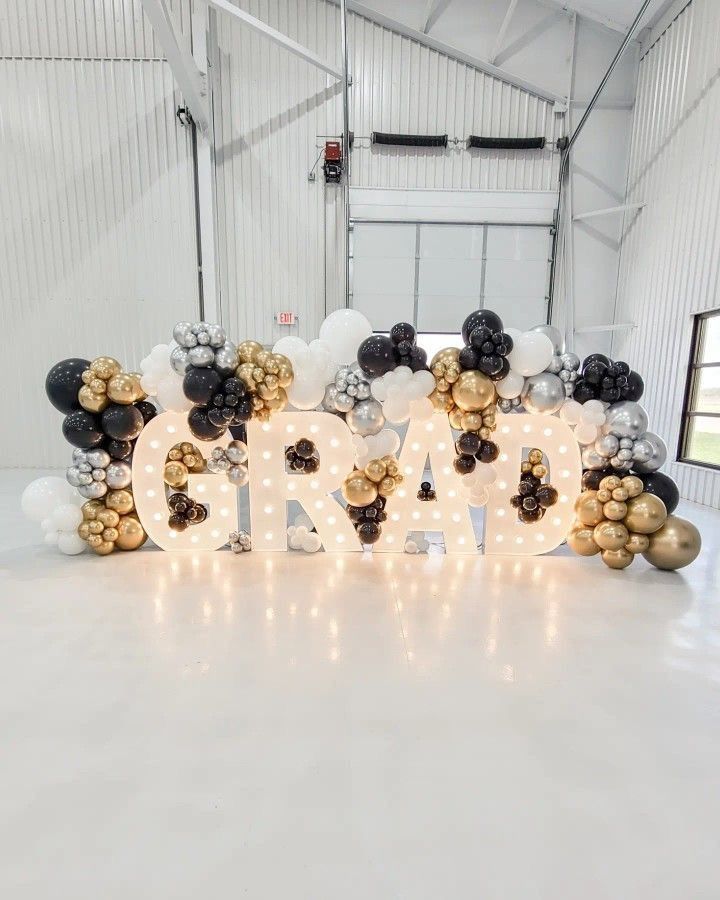
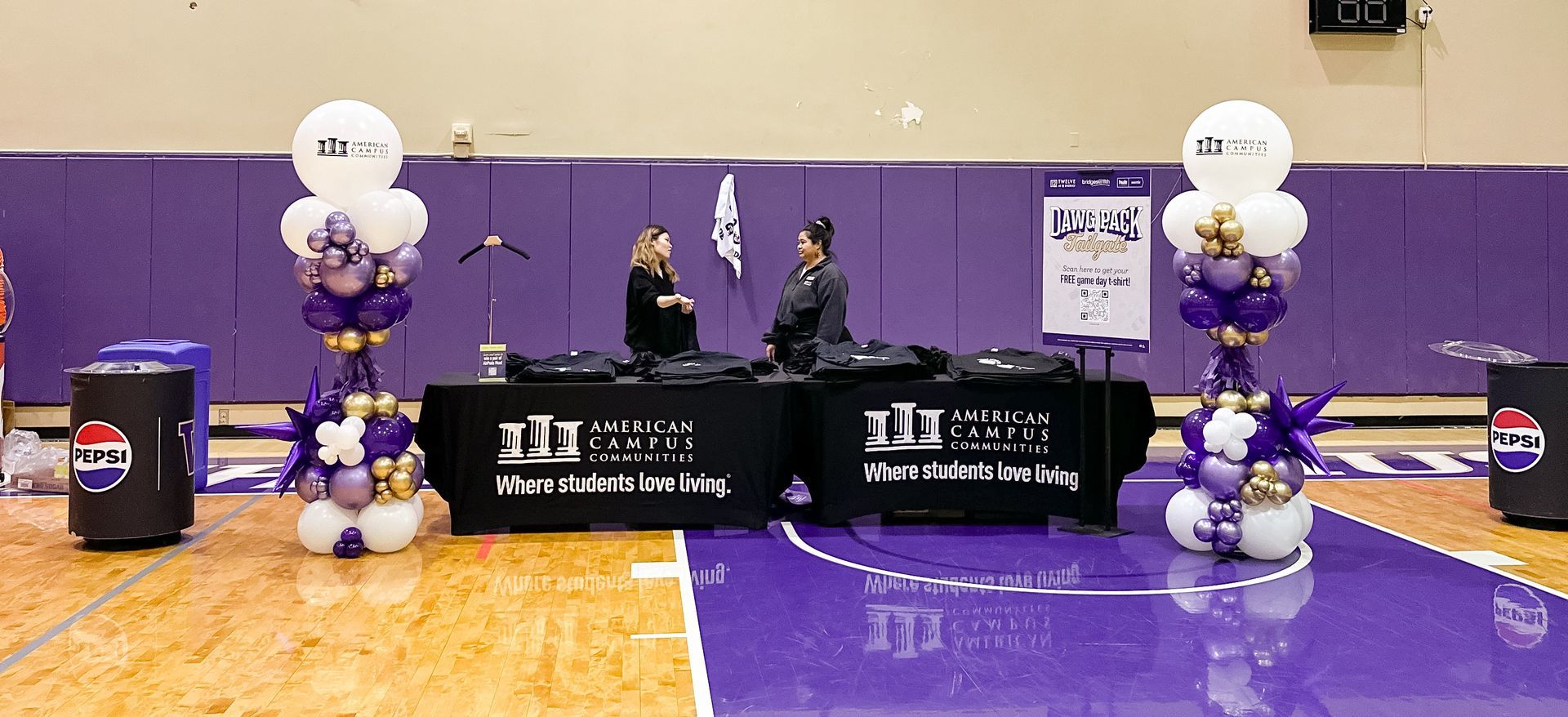
Ready to plan an event and you're starting to think about booking a vendor? Event decor is one of the final pieces that brings everything together. Seattle Balloon Artist creates custom balloon garlands, balloon arches, balloon columns, and installations designed to fit your event with style and on budget.
Book your event with us today!
Case Studies: Flexible Stadiums in Action
Madison Square Garden (New York)
Known as “The World’s Most Famous Arena,” Madison Square Garden regularly transitions between basketball, hockey, concerts, and conventions. Its modular floor system and advanced rigging infrastructure allow overnight conversions, proving how flexibility maximizes bookings.
SoFi Stadium (Los Angeles)
Built with flexibility at its core, SoFi Stadium hosts NFL games, massive concerts, and even international events like the World Cup and Olympics. Its seating design and integrated broadcast technology make it equally suited for sports and entertainment.
Allegiant Stadium (Las Vegas)
Beyond Raiders football games, Allegiant Stadium hosts major conventions, concerts, and entertainment spectacles. Its retractable field tray and customizable seating bowl highlight how venues can pivot quickly between uses.
These examples show that flexible stadium design is not theoretical—it’s already a proven business strategy in the world’s most successful venues.
The Business Benefits of Non-Sporting Events
Sports arenas that expand into concerts and conventions don’t just add events to the calendar—they transform their financial and cultural footprint.
- Revenue diversification: Concessions, parking, and hospitality sales rise across different event types
- Community engagement: Residents see the venue as a cultural hub, not just a sports arena
- Brand reputation: Flexible stadiums are recognized as forward-thinking and inclusive
- Stronger partnerships: Sponsors and local governments are more willing to invest in multi-purpose facilities that deliver consistent economic impact
For event managers, the takeaway is clear: flexible design equals sustainable growth.
Balancing Challenges with Opportunities
Flexibility comes with challenges. Event managers must handle:
- Scheduling conflicts between league play, concerts, and convention bookings
- Wear and tear on infrastructure from varied event setups
- Staffing models that change based on event type
- Community concerns such as noise, traffic, and neighborhood impact
The best-managed arenas address these issues through smart scheduling software, dedicated maintenance budgets, and strong community outreach programs.
How Event Managers Can Prepare
To succeed in the era of flexible stadium design, managers should:
- Build partnerships with promoters and convention planners to keep the venue top-of-mind for bookings
- Invest in technology such as modular seating and high-capacity Wi-Fi to support esports and conventions
- Develop cross-trained staff who can pivot from sports game-day operations to corporate event hosting
- Prioritize accessibility and compliance to ensure every type of audience can fully participate
- Track ROI by event type to demonstrate the value of non-sporting events to stakeholders and investors
By combining operational efficiency with business strategy, event managers can maximize both revenue and reputation.
Frequently Asked Questions About Flexible Stadium Design
What are the negatives of hosting a major sporting event?
Major sporting events generate visibility and revenue but can also cause strain on infrastructure, increase staffing and security costs, and create scheduling conflicts that block out other potential bookings.
How do sports and entertainment events economically impact hosting cities?
Large events drive millions in local spending on hotels, restaurants, and transportation. At the same time, they can strain public services such as transit, sanitation, and policing, requiring close coordination between venues and city governments.
What makes a good stadium design?
A good stadium design balances flexibility, fan experience, accessibility, and operational efficiency. Features such as modular seating, integrated AV systems, and multi-purpose spaces ensure the venue can serve as both a sports arena and an entertainment hub.