5 Tips for Fixing Communication Gaps in Arena Management
Arena management runs on teamwork. From security and concessions to maintenance and entertainment staff, every group depends on clear communication to keep the event experience seamless. When information is scattered or misunderstood, problems can surface quickly delayed setups, safety issues, or frustrated guests.
The following strategies can help arena event coordinators close those gaps and keep every department working in sync.
Centralize Communication with a Unified Platform
When messages come from several channels, it’s easy to lose track of important updates. A unified communication system ensures that everyone has the same information at the same time.
Here are a few types of tools that can make this easier:
- Team chat platforms like Slack or Microsoft Teams keep conversations organized and searchable.
- Project management tools such as Asana or Monday.com let teams assign tasks, set deadlines, and track progress.
- Event management software like Momentus (formerly Ungerboeck) or Social Tables combines communication, scheduling, and floor plans into a single workspace.
Bringing everything together in one place minimizes confusion and keeps updates accurate across departments.
Establish Clear Roles and Responsibilities
Unclear responsibilities often cause the biggest slowdowns. Before each event, outline exactly who is handling which tasks. Every department should know where their duties begin and end.
For instance, operations might manage floor setup, while the event coordinator handles vendor communications and the security lead oversees safety protocols. Having this structure in writing keeps confusion to a minimum and helps new team members integrate quickly.
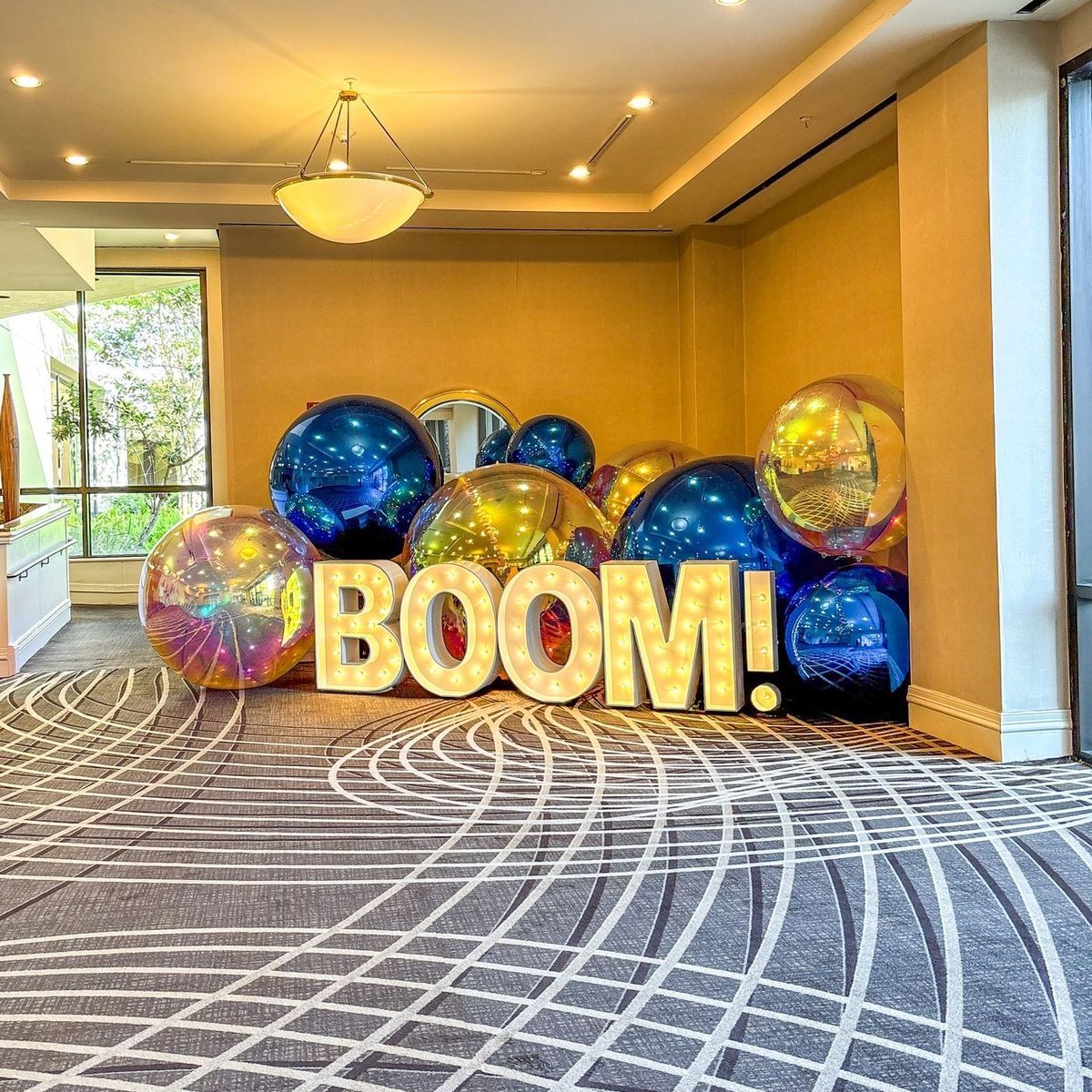
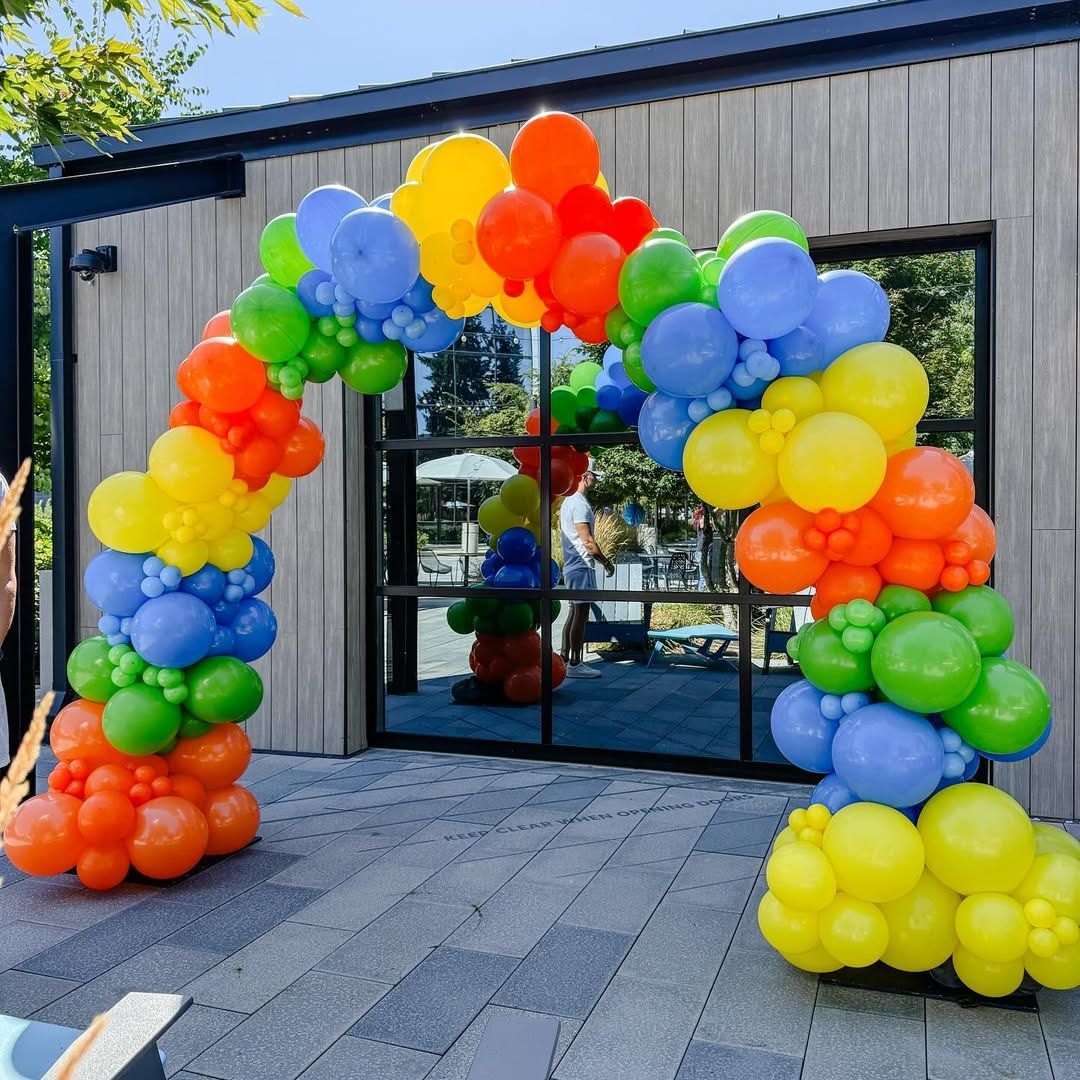
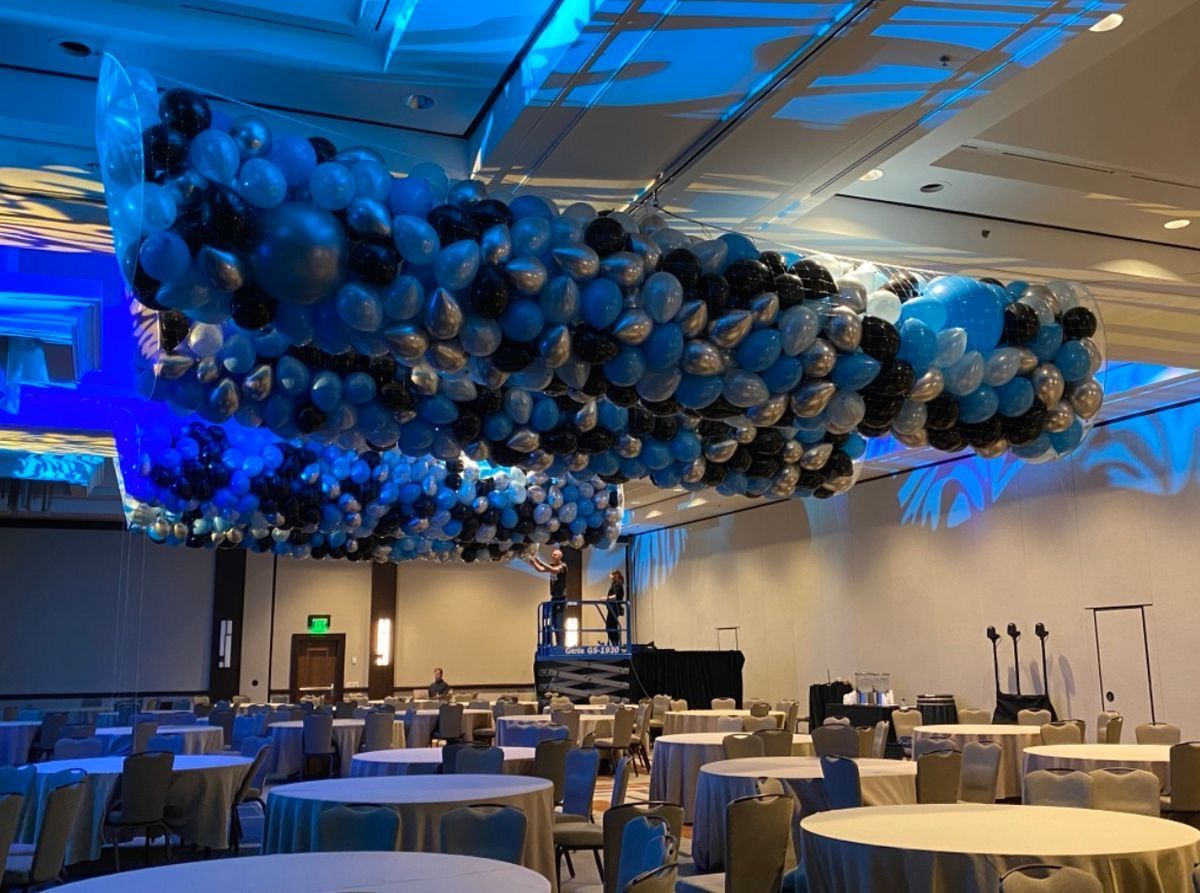
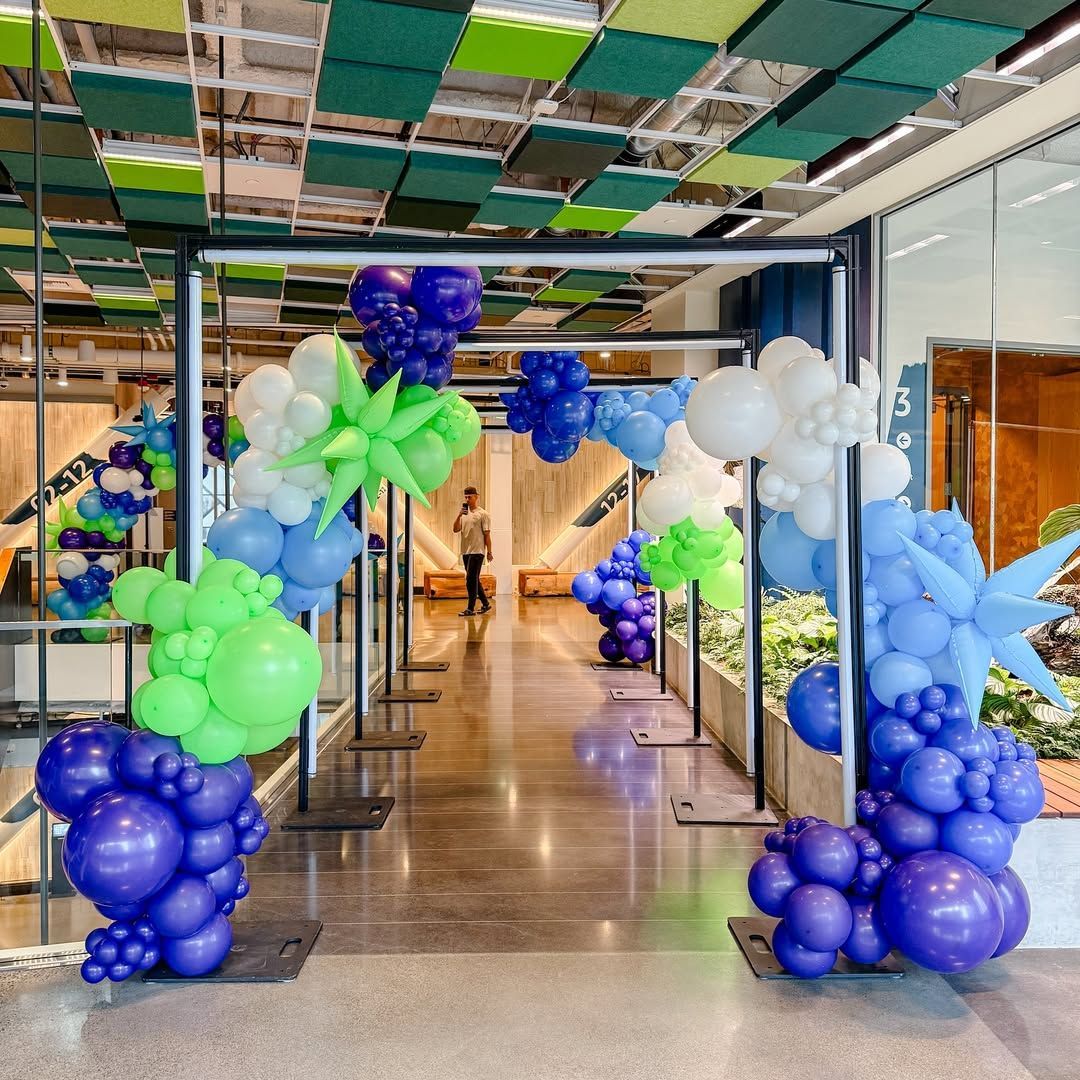
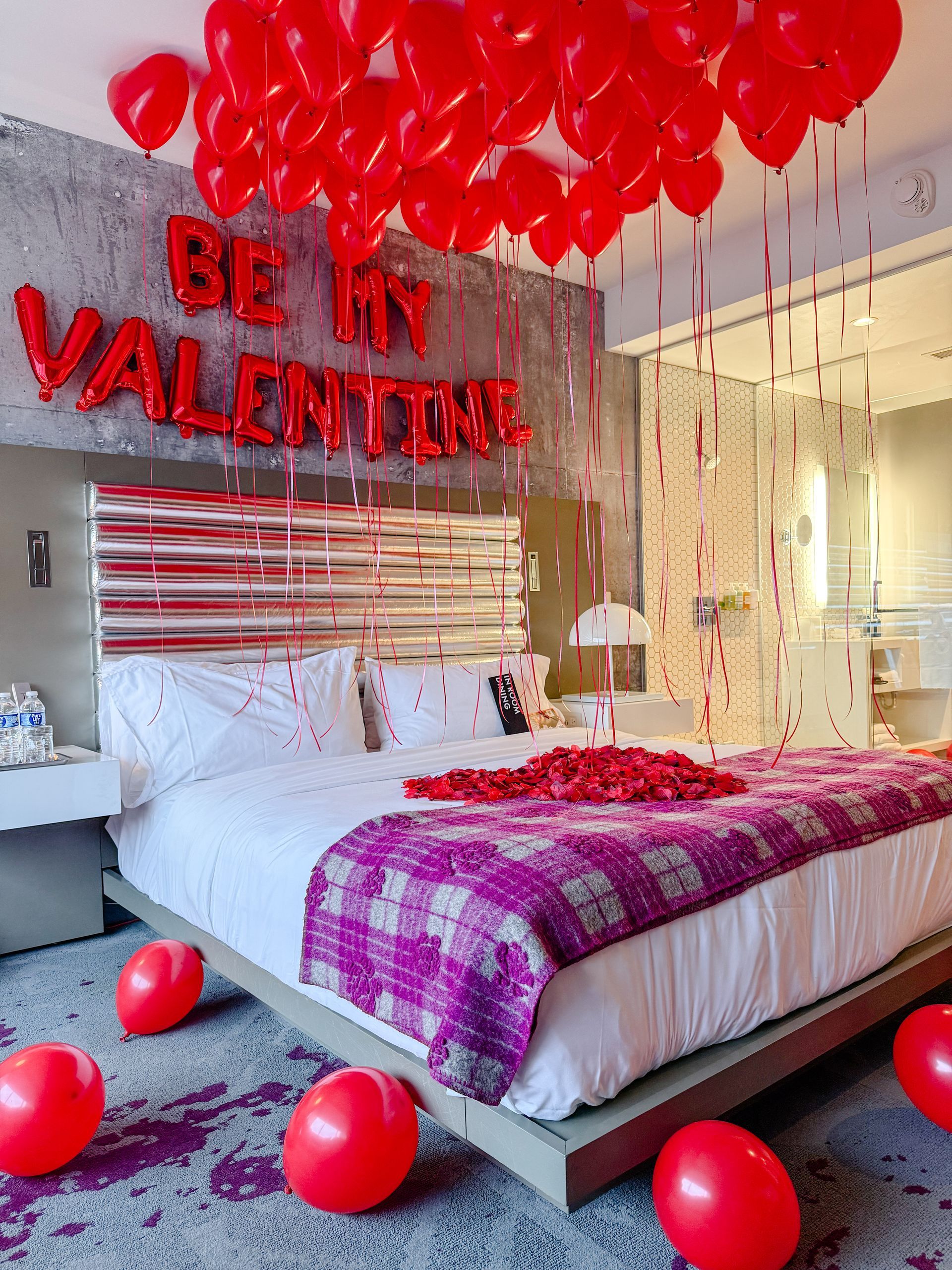
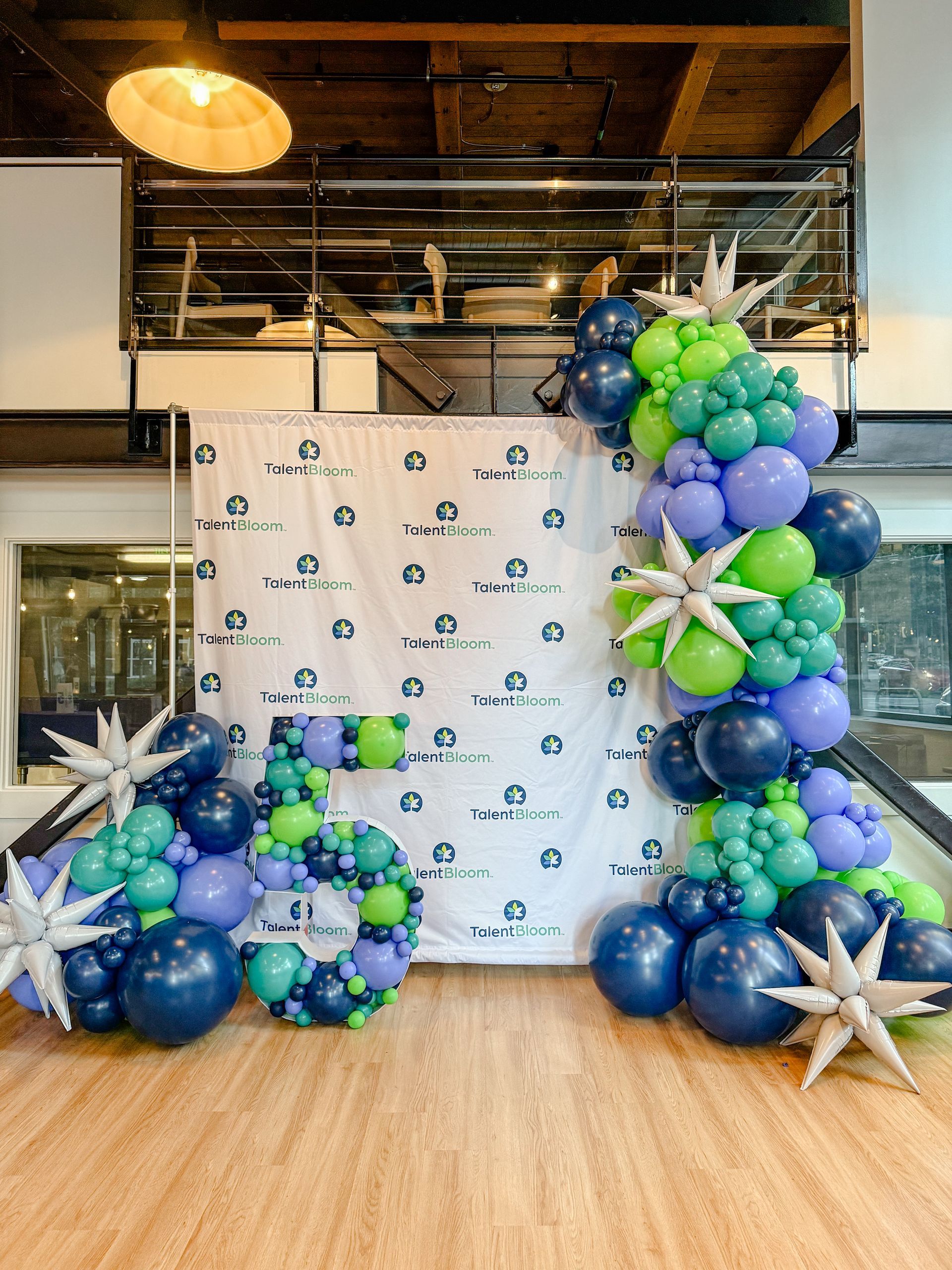
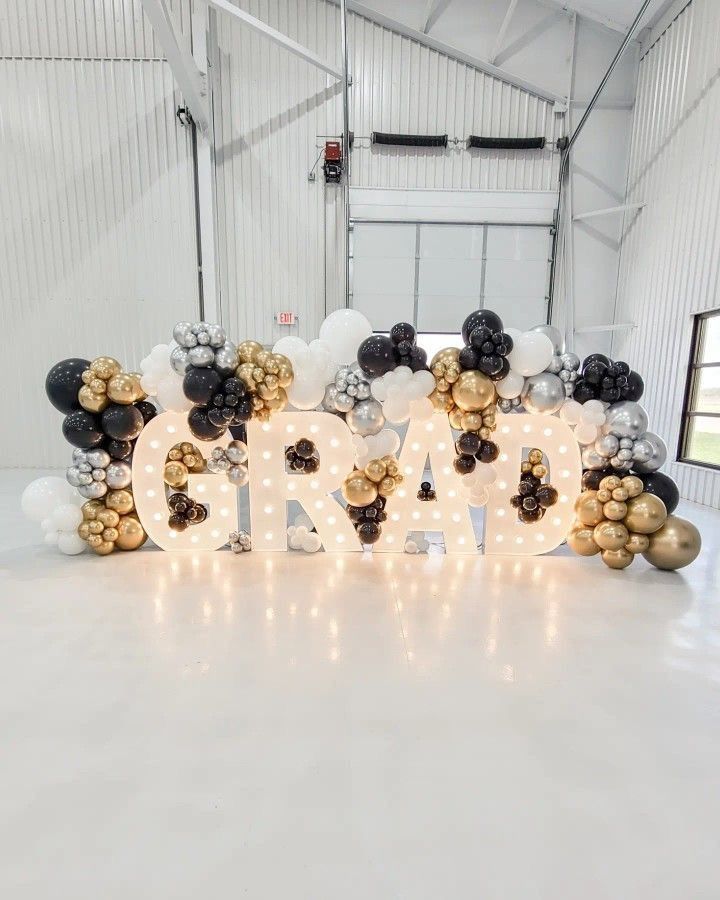
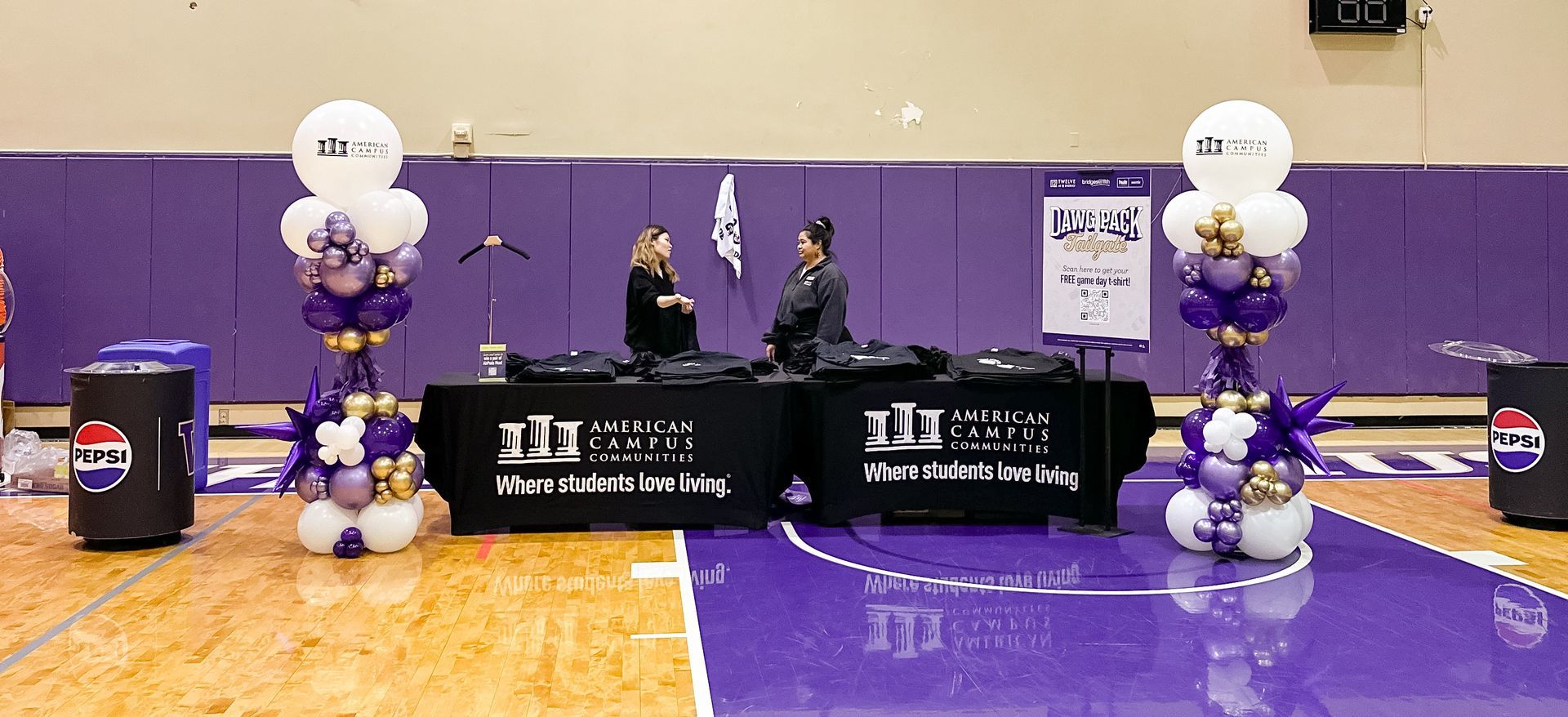
Ready to plan an event and you're starting to think about booking a vendor? Event decor is one of the final pieces that brings everything together. Seattle Balloon Artist creates custom balloon garlands, balloon arches, balloon columns, and installations designed to fit your event with style and on budget.
Strengthen Pre-Event and Post-Event Communication
Consistent check-ins before and after events keep teams aligned. A brief pre-event meeting allows everyone to review setup times, layout details, and the event timeline. During this session, encourage questions to resolve potential issues early.
Afterward, hold a short debrief to discuss what worked and what could improve. Summaries or shared notes from these conversations help your crew build on lessons learned rather than repeat old mistakes.
Use Visual Tools for Clarity
Words can’t always capture the complexity of arena layouts. Visual tools help staff understand the plan instantly.
Digital floor maps and live diagrams show where each element belongs: staging, entrances, vendor zones, or decor. Software like Lucidchart or AllSeated allows quick edits when plans change. Even simple shared slides or PDFs can eliminate confusion between departments.
Visual clarity saves time, prevents missteps, and keeps everyone on the same visual reference.
Strong communication builds stronger events. When your arena staff operates with confidence and clarity, guests notice the difference.
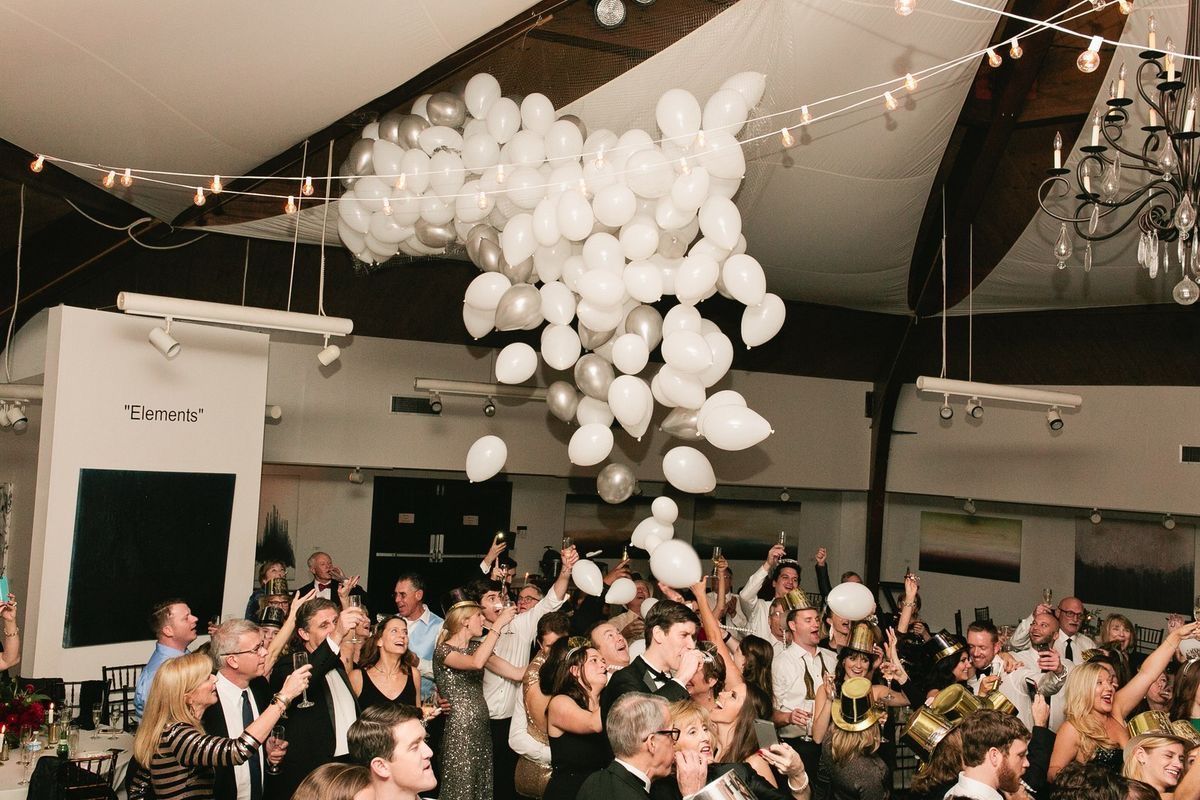
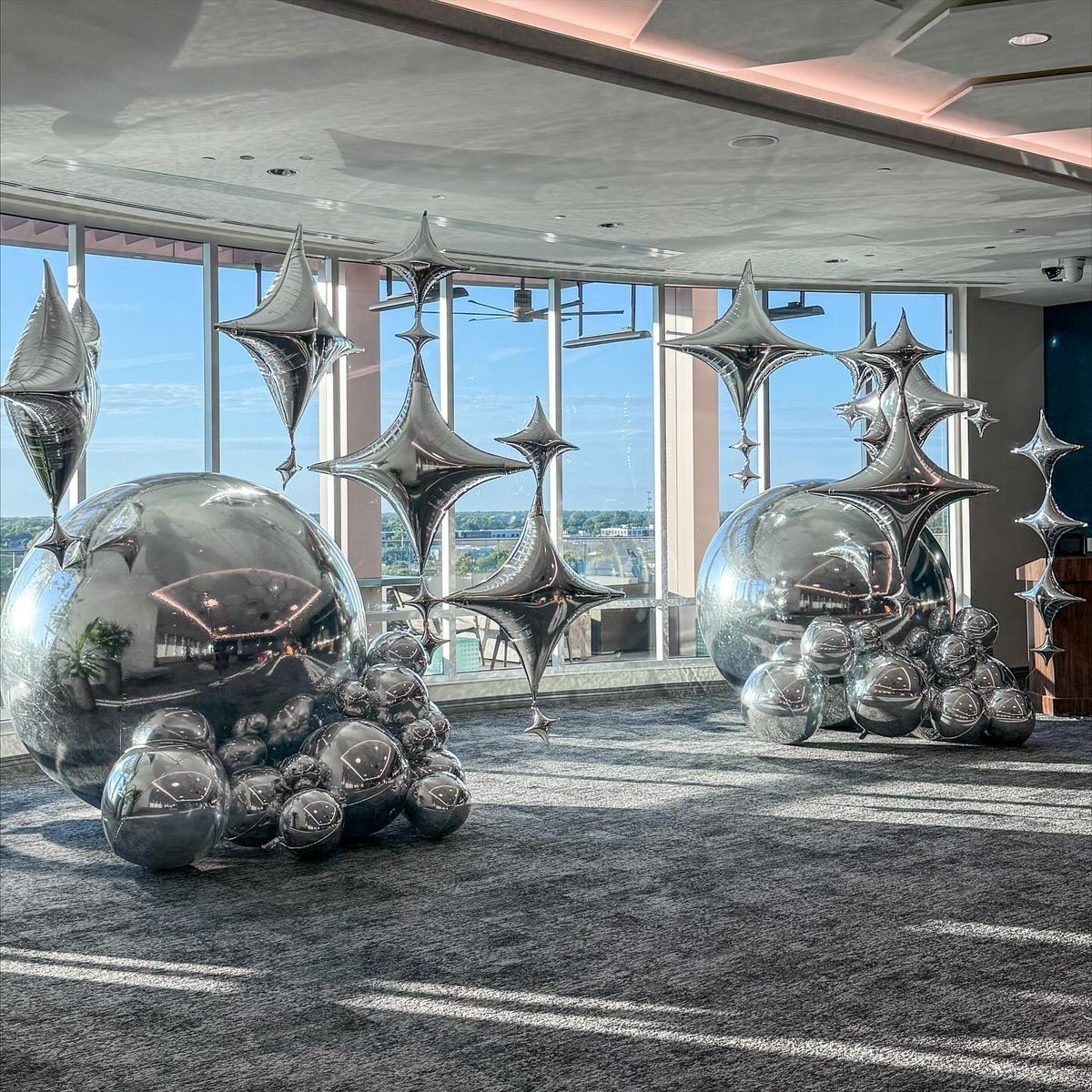
If you want your next event to look as polished as it runs, book with Seattle Balloon Artist. Our custom balloon installations and large-scale decor bring energy and excitement to concerts, sporting events, and special performances. Let us help you create an atmosphere your audience will remember.
Frequently Asked Questions
Why is communication important in sports management?
Strong communication keeps every department aligned and events running smoothly. It prevents confusion, improves safety, and ensures a better experience for both teams and guests.
What are good coordination tools for an events team?
Tools like Slack and Microsoft Teams help teams stay connected. For task tracking, use Asana or Monday.com. Larger venues benefit from platforms such as Momentus or Social Tables that combine scheduling and floor plans.
How do I effectively communicate with my team?
Use one platform for updates, hold short pre- and post-event check-ins, and share visuals like floor plans to clarify details. Keep communication consistent and invite feedback to build trust.