How Network Overload Impacts the Fan Experience at Stadiums
When 60,000 fans pack into a stadium for the biggest game of the year, the energy is electric, but so is the strain on the venue’s network. Fans are livestreaming, posting highlights, ordering concessions, and scanning tickets all at once. For stadium event planners and managers, this digital demand can quickly overwhelm the network, turning what should be a seamless experience into a frustrating one.
Network overload doesn’t just create technical hiccups; it impacts the entire fan experience and can undermine your event’s success. Understanding how it happens and what’s at stake can help you plan better for every major game or concert.
What Is Network Overload?
Network overload occurs when the demand for bandwidth exceeds what your infrastructure can handle. In a stadium, that means tens of thousands of devices all competing for the same wireless capacity.
The result is slow or failed Wi-Fi connections, delayed ticket scans, mobile orders that don’t go through, and apps that crash mid-use. Every second of delay or digital failure compounds frustration for fans, staff, and vendors alike.
Typical causes include:
- Limited bandwidth or outdated network equipment.
- Poorly distributed access points that leave high-density zones underserved.
- Lack of scalable systems to support peak usage times.
How Network Overload Hurts the Fan Experience
A network that can’t keep up with the crowd affects more than just convenience. It undermines how fans engage with the event and with your venue.
1. Frustration and Lost Engagement
When Wi-Fi drops out or mobile apps fail to load, fans disengage. They stop posting, stop participating in live promotions, and often express their dissatisfaction publicly online. What could have been free marketing for your venue becomes negative buzz.
2. Operational Disruptions
Network slowdowns don’t just affect fans; they hit your operations too. Mobile ticketing scanners lag, POS systems freeze, and concession orders pile up. These small disruptions add up, creating longer lines and more impatient crowds.
3. Reduced Revenue Opportunities
Mobile ordering, seat upgrades, and in-app purchases rely on consistent connectivity. If your network falters, you lose those impulse sales and the valuable data tied to them. A weak network can literally leave money on the table.
4. Sponsor and Partner Dissatisfaction
Event partners increasingly depend on stadium connectivity for digital activations, analytics, and audience engagement. A poor network makes those experiences unreliable and discourages future sponsorships.
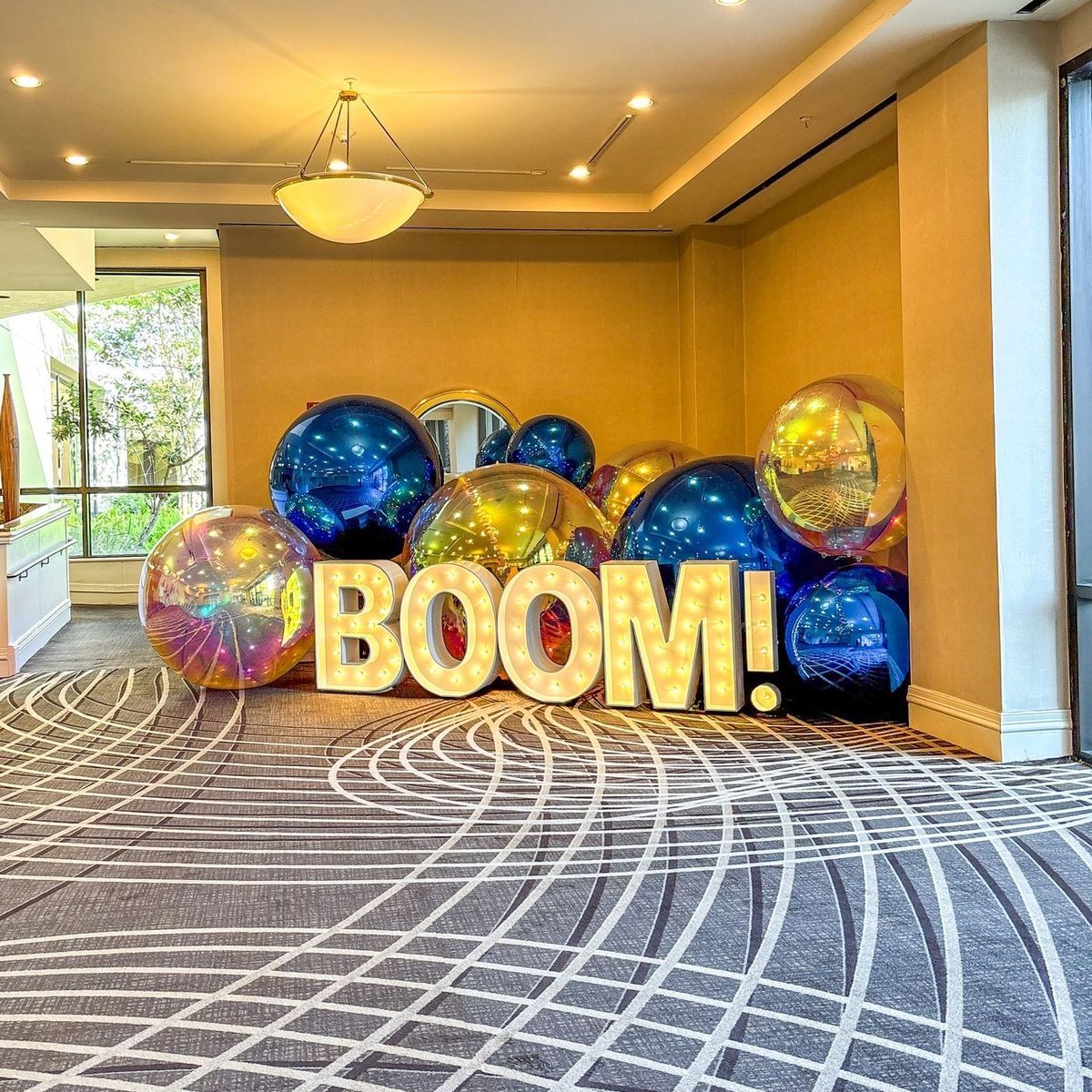
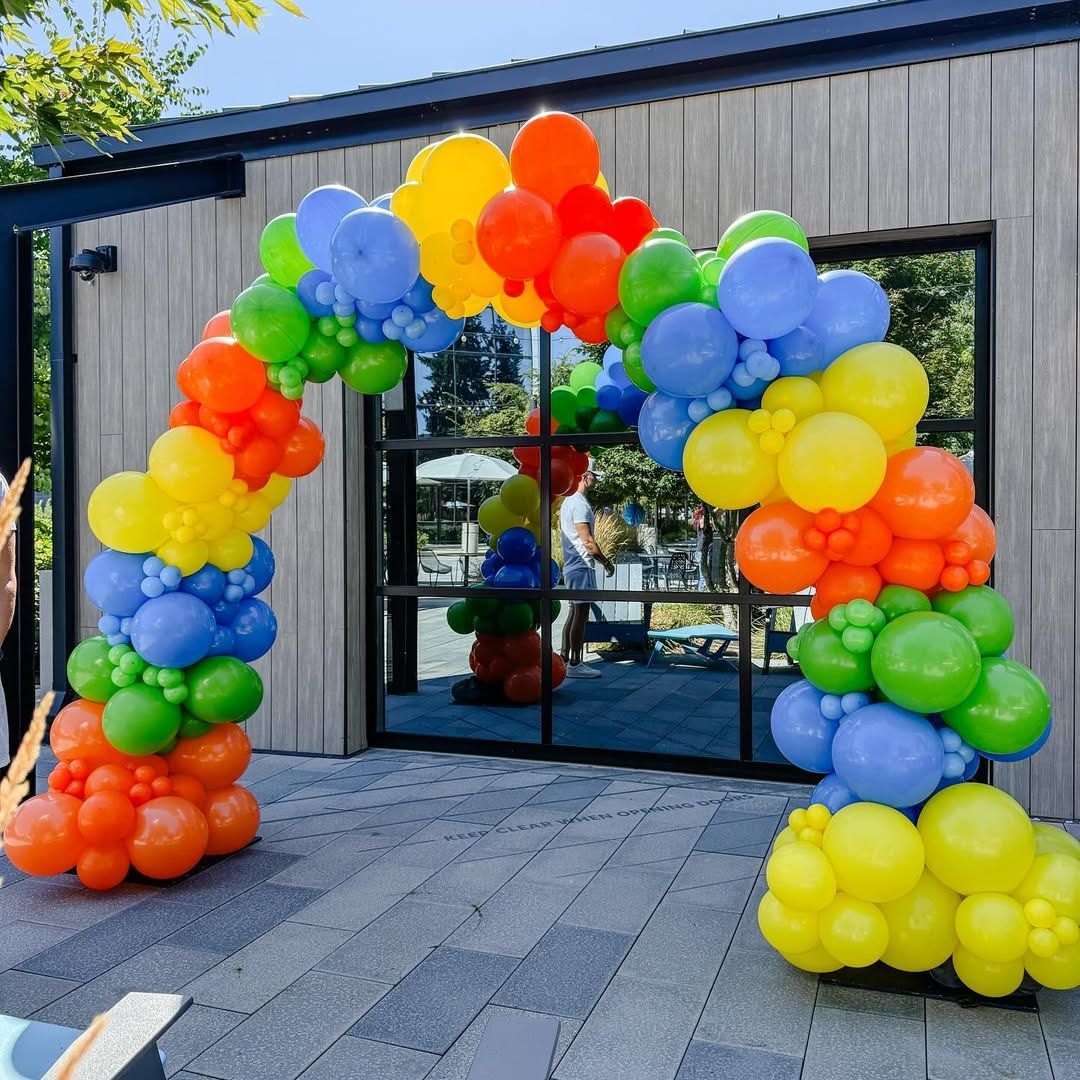
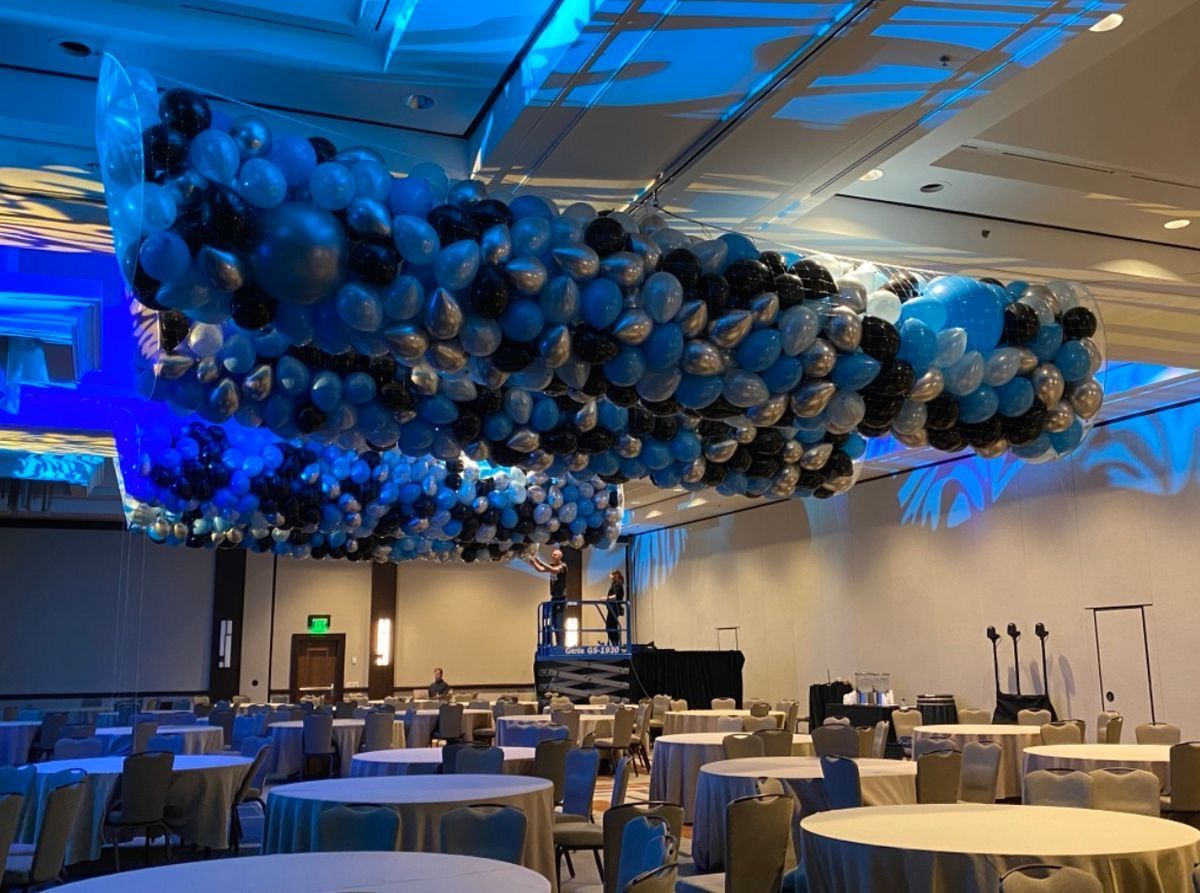
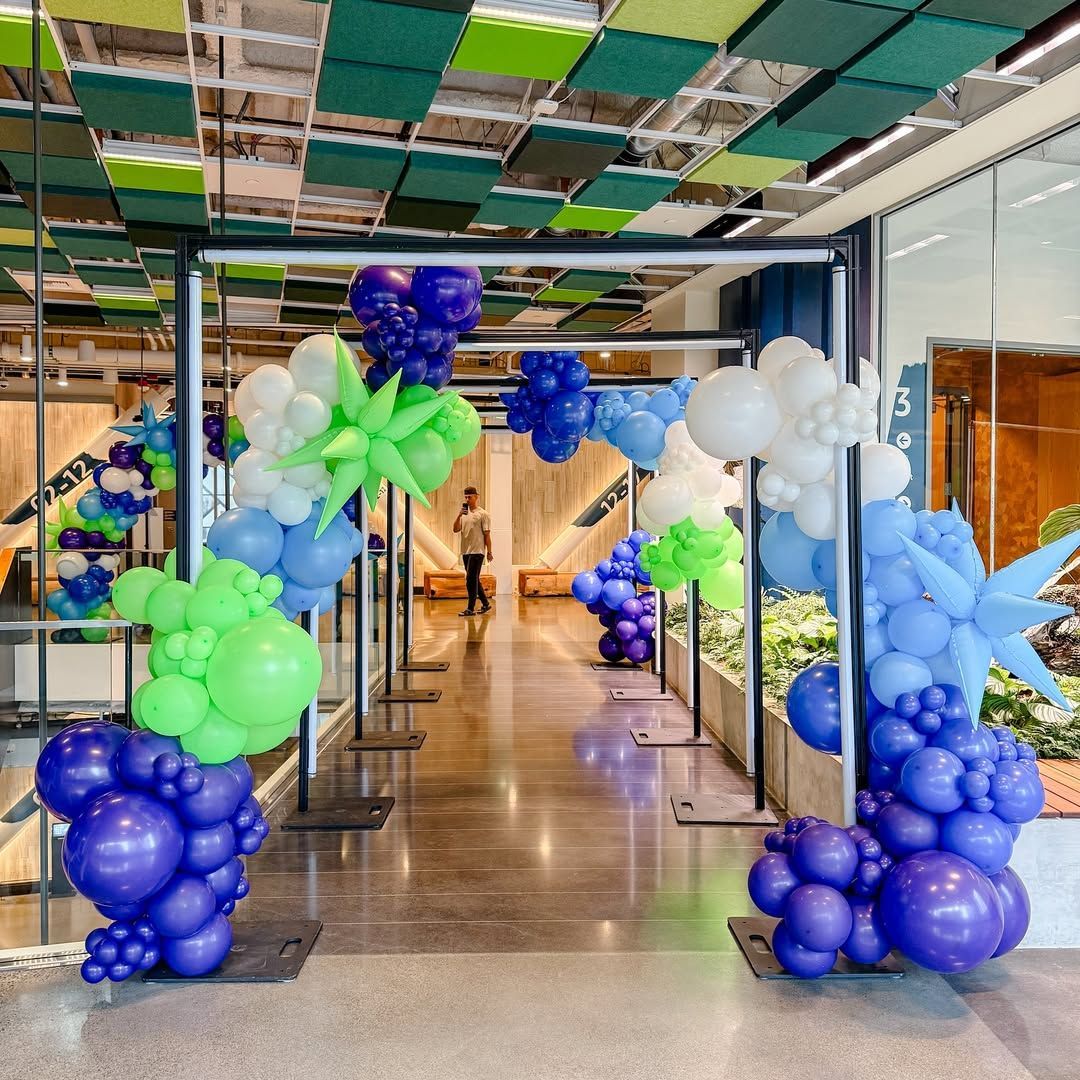
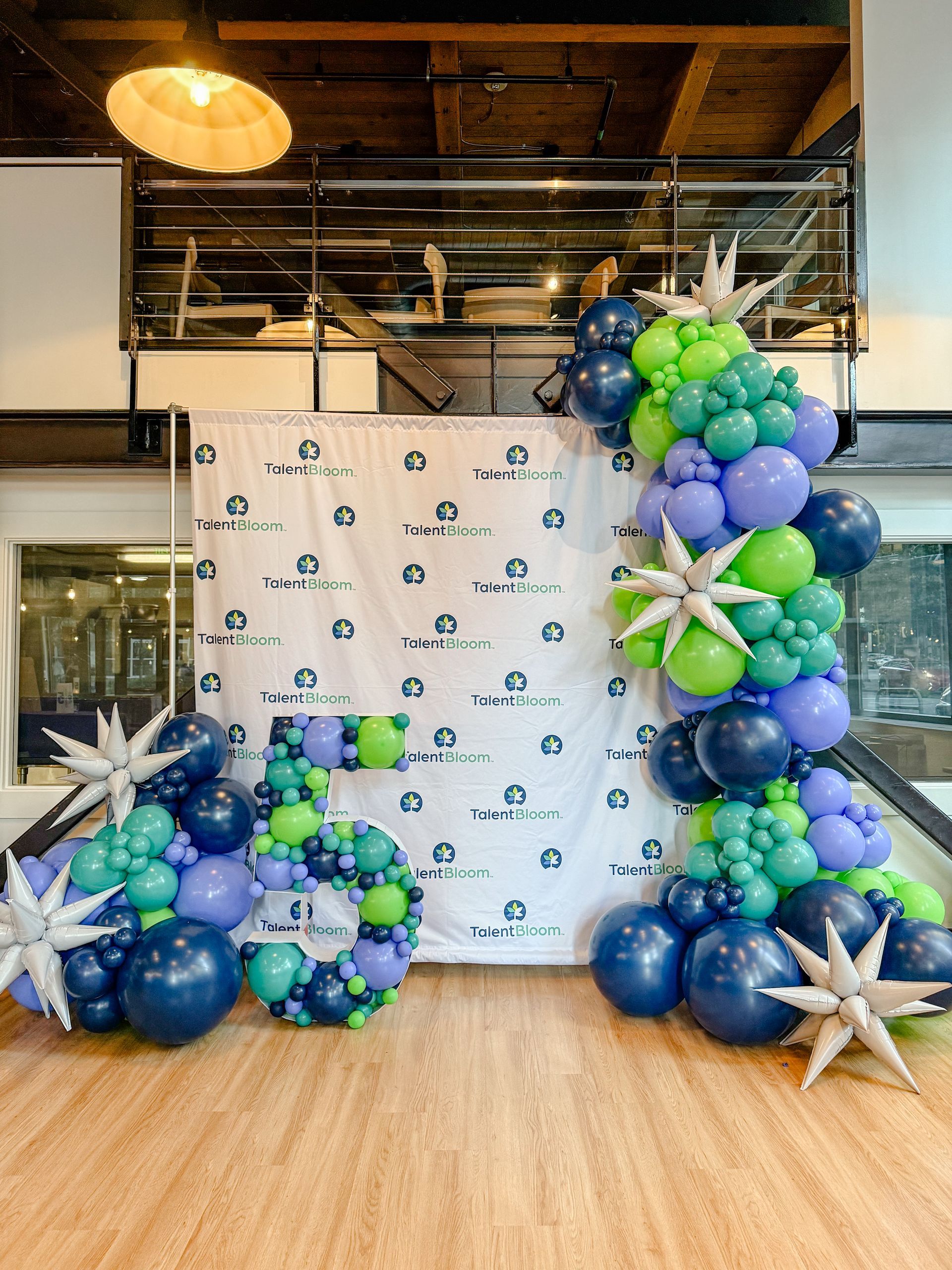
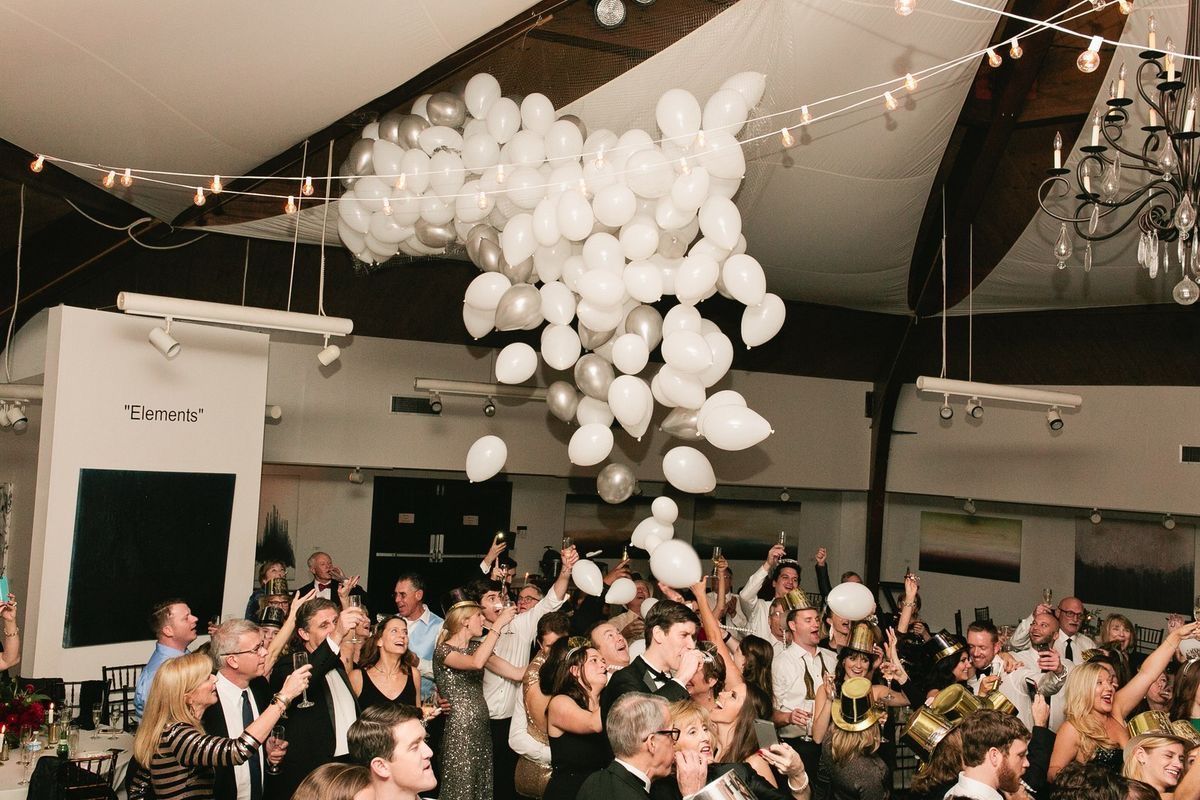
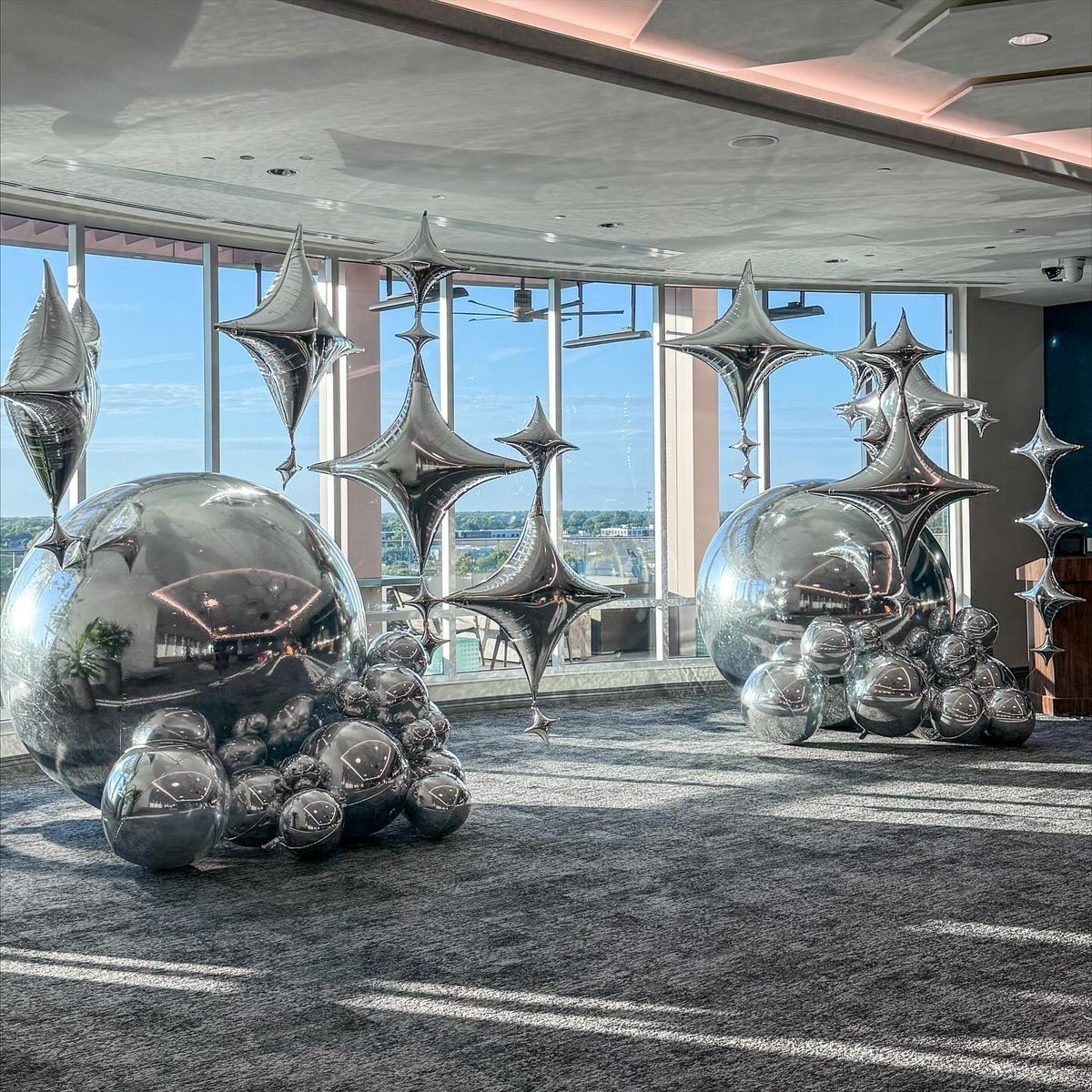
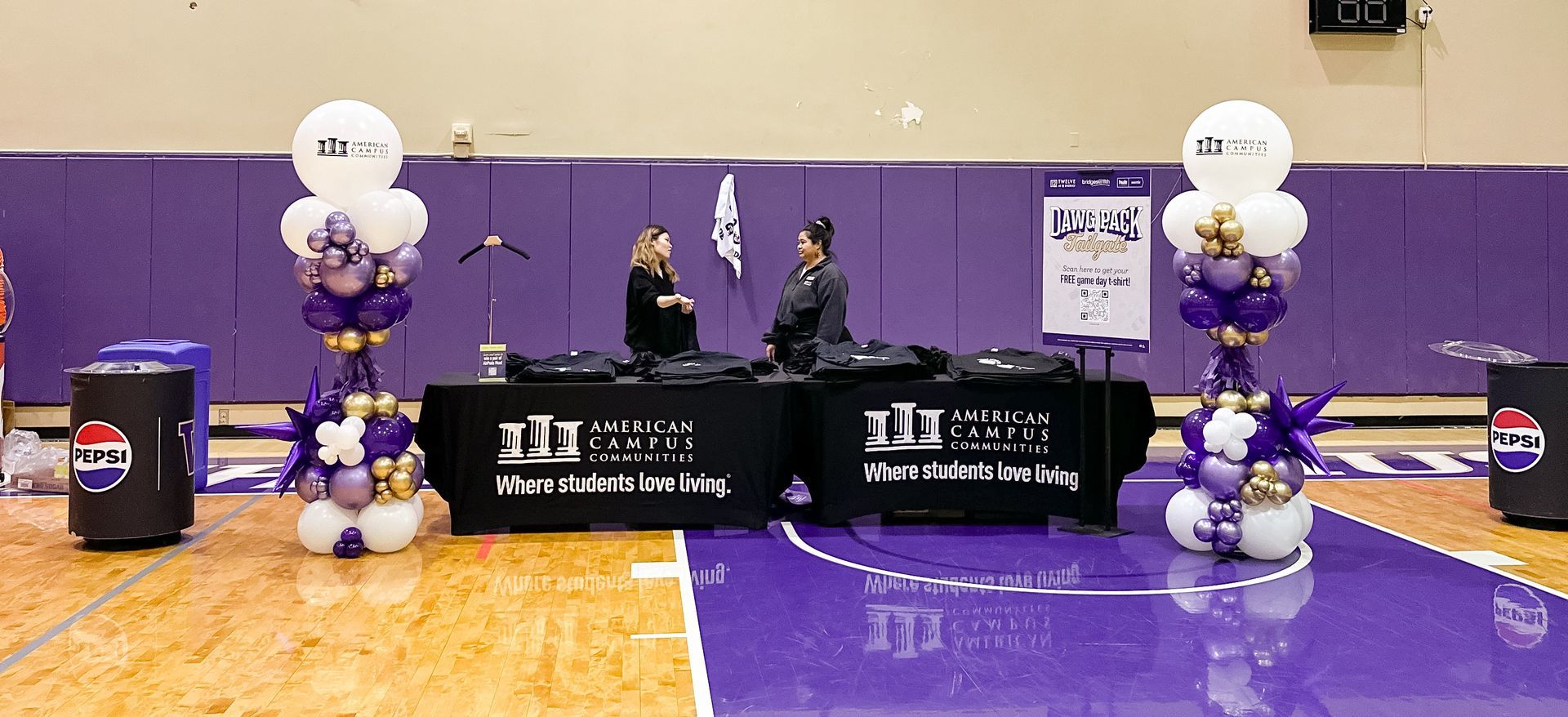
Ready to plan an event and you're starting to think about booking a vendor? Event decor is one of the final pieces that brings everything together. Seattle Balloon Artist creates custom balloon garlands, balloon arches, balloon columns, and installations designed to fit your event with style and on budget.
The Business Impact on Stadium Management
From a business standpoint, network overload is more than an inconvenience; it’s a strategic risk.
- Lost Revenue: When fans can’t complete mobile orders or app-based purchases, your venue misses out on thousands in potential sales.
- Data Blind Spots: Weak connectivity limits your ability to track crowd flow, engagement, and spending in real time.
- Brand Reputation: In today’s connected world, a stadium’s digital experience is just as important as the physical one. Poor connectivity can make even world-class facilities feel outdated.
- Competitive Disadvantage: Venues with robust, modern infrastructure attract more major events and repeat customers.
Why Robust Network Infrastructure Is the Solution
A strong, scalable network is one of the best investments a stadium can make. With the right system in place, your venue can:
- Support high device density during major events.
- Enable advanced fan experiences such as AR games, mobile replays, and interactive promotions.
- Improve operational reliability and event analytics.
- Strengthen partnerships with vendors and sponsors who rely on real-time data.
Stadiums like SoFi Stadium in Los Angeles and Mercedes-Benz Stadium in Atlanta have become benchmarks for seamless fan connectivity, turning their networks into extensions of the entertainment experience.
Delivering a world-class fan experience means more than just fast Wi-Fi. It means designing an environment where every moment is memorable. Whether you’re hosting a championship game, a concert, or a corporate event, fans notice the details that make their experience effortless and exciting.
And that’s exactly what Seattle Balloon Artist helps create. From immersive event décor to interactive balloon installations, we transform stadium spaces into unforgettable experiences that keep guests engaged and smiling, no matter how strong the signal is.
Frequently Asked Questions
How might stadium technology impact the fan experience?
Stadium technology enhances convenience and engagement by enabling fast Wi-Fi, mobile ordering, and interactive apps. When networks perform well, fans stay connected and enjoy a smoother, more exciting event experience.
How does technology affect spectators in sport?
Technology helps spectators feel closer to the action through instant replays, real-time stats, and digital engagement tools. It also improves comfort and convenience with mobile ticketing, cashless payments, and in-seat service options.
How do you attract fans to a stadium?
Fans are drawn to venues that offer a complete experience, combining great entertainment with seamless technology and atmosphere. Adding creative touches like themed décor or balloon installations from Seattle Balloon Artist can make events unforgettable and boost attendance.